Why Recovery Optimization Became a Fast-Growing Research Area
“Recovery” used to be treated as whatever happens after the interesting part. In peptide research it became a focus of its own — the study of how tissues repair, and what signalling drives that process. A handful of repair-associated compounds powered that shift. A laboratory-reference overview, and nothing more.
Repair is an active, signalled process
Tissue repair isn't passive. It involves angiogenesis, cell migration, and growth-factor signalling — all of which can be studied at the molecular level. That measurability turned recovery into a tractable research target rather than a vague outcome.
The anchor compounds
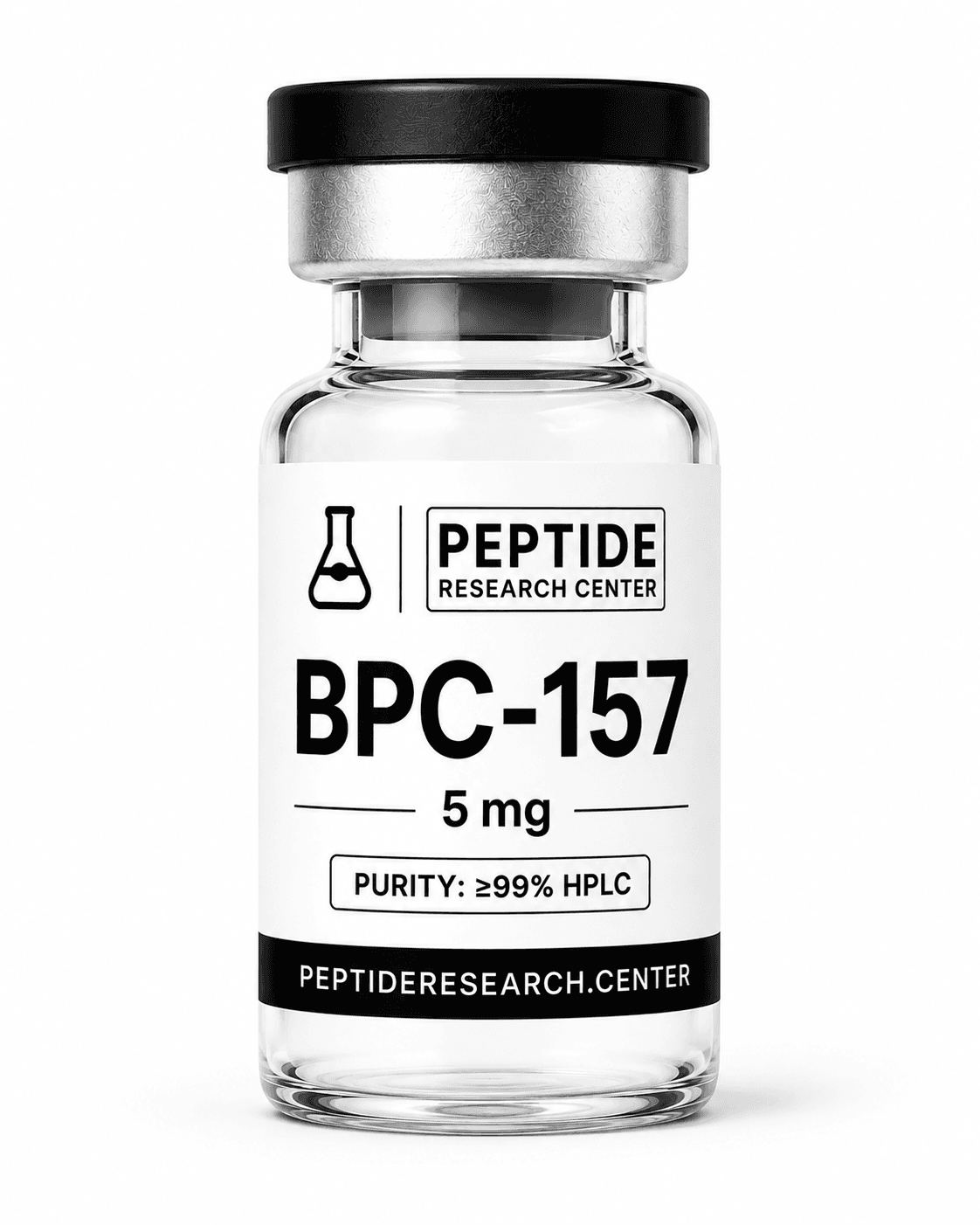
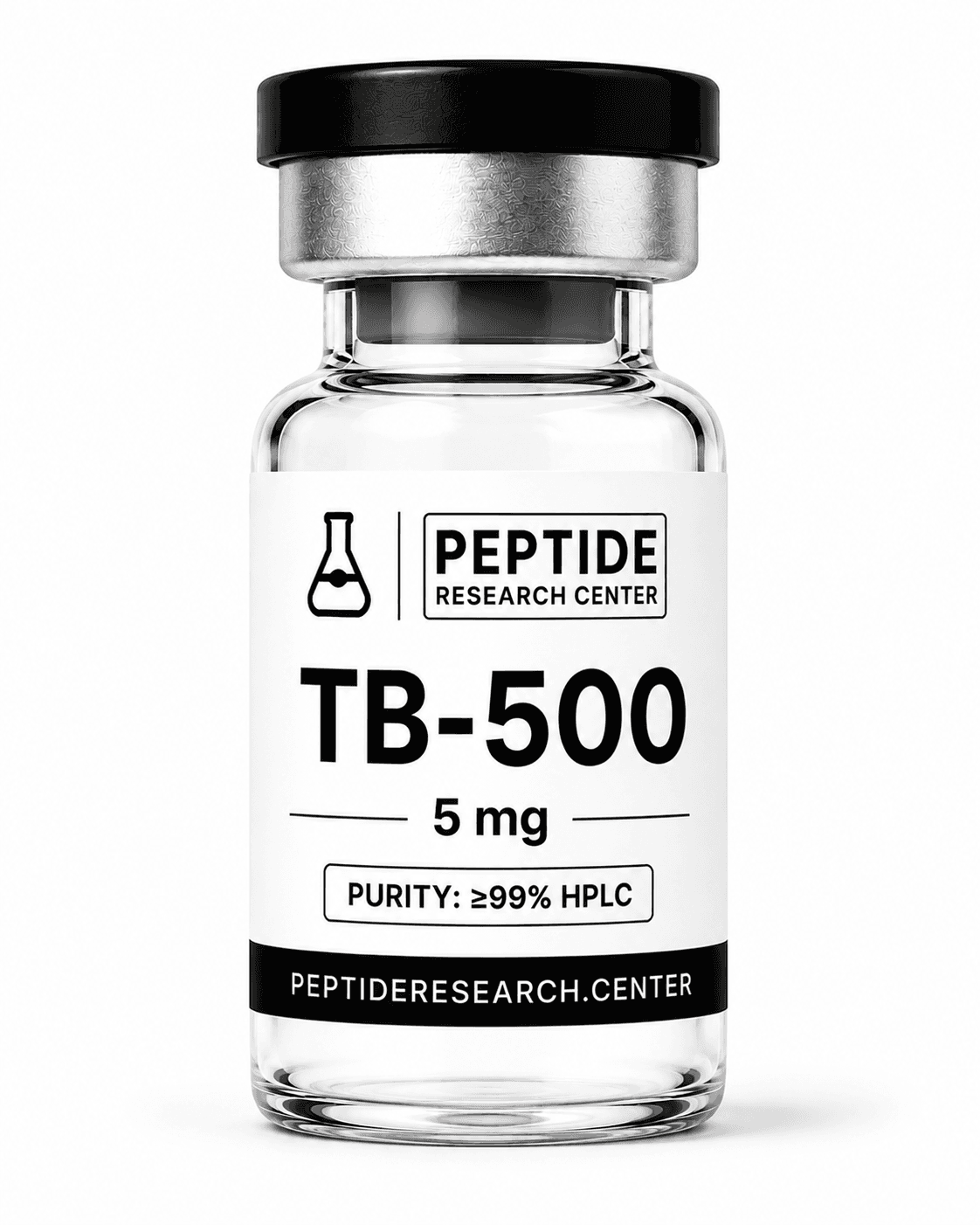
Two peptides dominate this literature: BPC-157, associated with angiogenesis and cytoprotection (Gwyer et al., Cell Tissue Res, 2019), [1] and TB-500 / thymosin β4, associated with actin-driven cell migration (Goldstein et al., Expert Opin Biol Ther, 2012). [2] Studied together, they map onto complementary repair pathways — which is why recovery research grew up around them.
Frequently Asked Questions
Why are BPC-157 and TB-500 studied together for recovery?
They're associated with complementary repair pathways — angiogenesis and cytoprotection for BPC-157, actin-driven cell migration for TB-500 — which is why recovery research often pairs them.