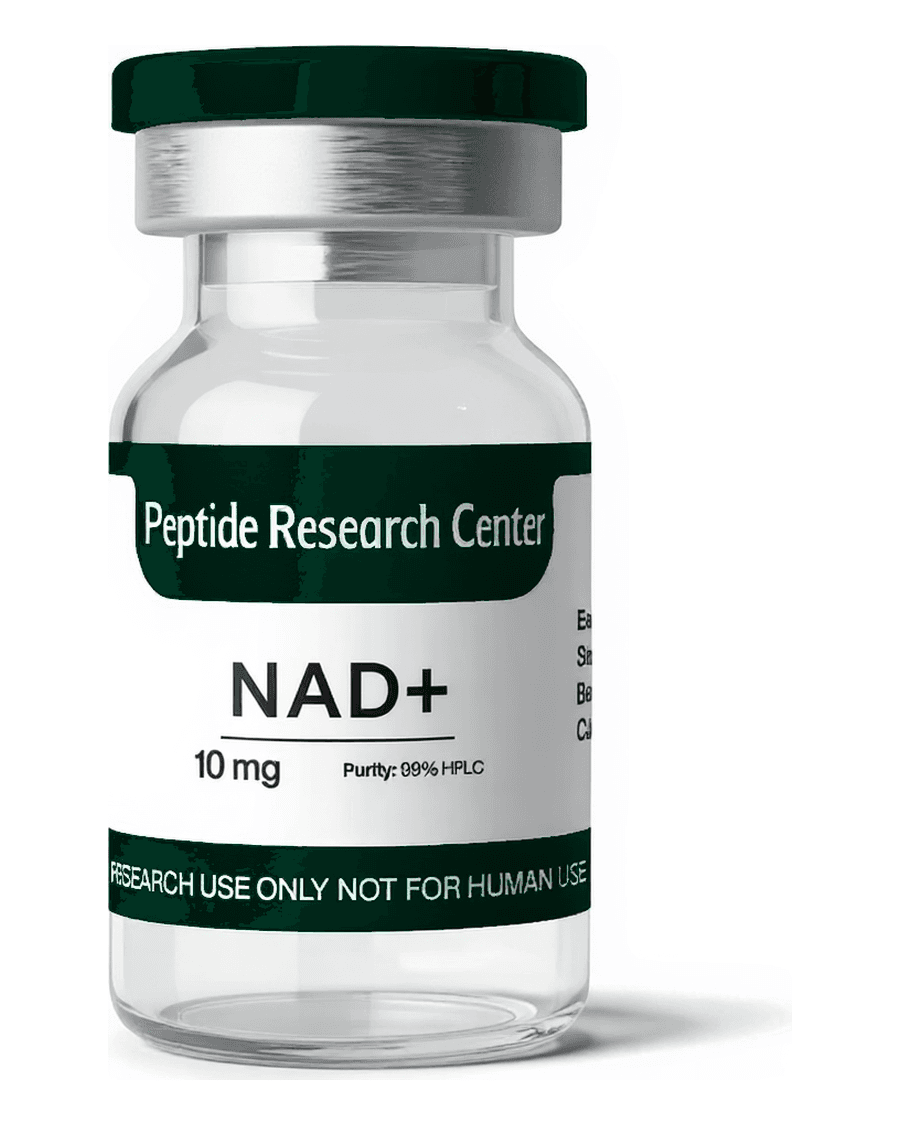
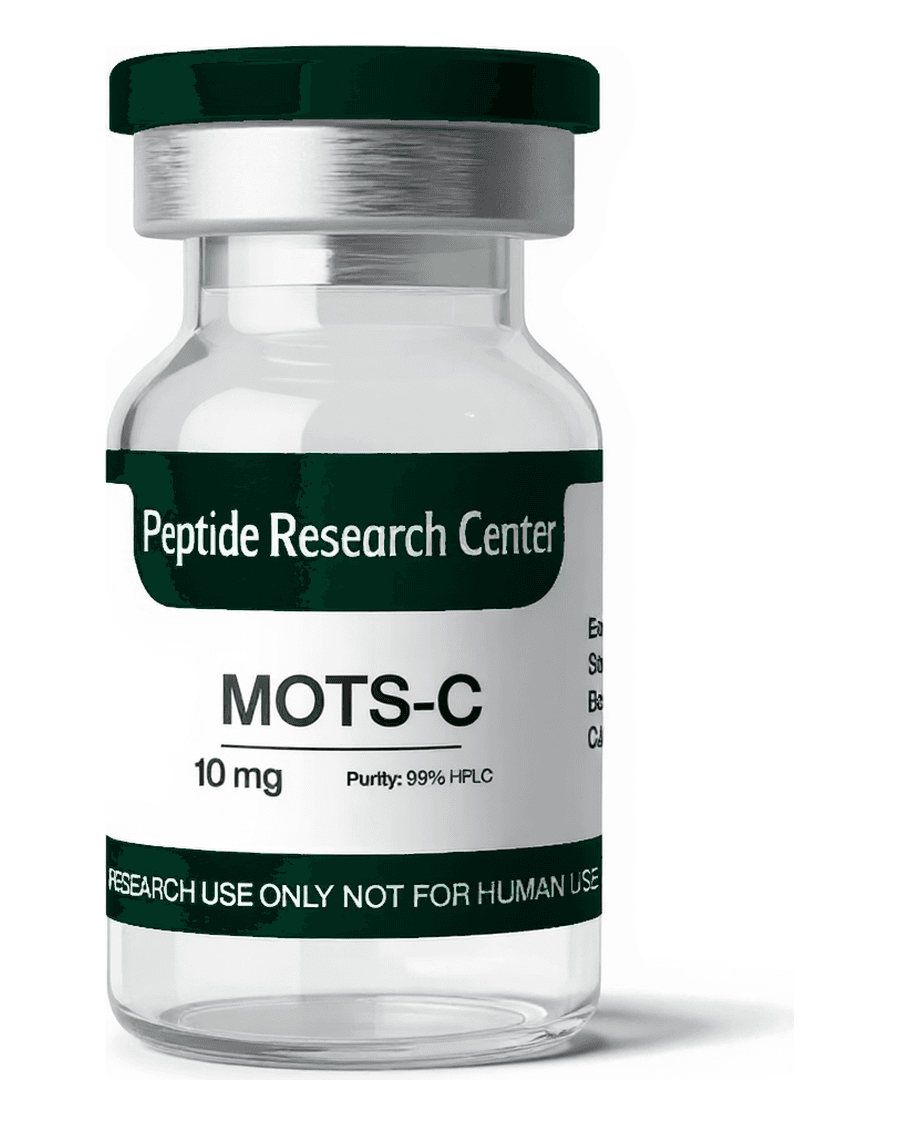
Peptide Storage & Stability: Keep Research Peptides Intact
A peptide is only as good as the way it's been stored. Degraded material doesn't announce itself — the vial looks the same — but it quietly adds noise to every experiment you run with it. The good news is that storage is simple once you know the three things that actually matter: temperature, time in solution, and freeze-thaw.
Before reconstitution: the easy part
As a dry, lyophilized powder, peptides are tough. Kept cold and dry, most hold up for a long time. The enemy here is moisture, so keep the vial sealed until you're ready.
| Temperature | Typical hold time | Notes |
|---|---|---|
| -20°C (freezer) | Months to longer | Standard for most lab inventory |
| 2–8°C (fridge) | Shorter term | Fine for material you'll use soon |
| Room temp | Avoid | Only briefly, e.g. during handling |
After reconstitution: the clock starts
Once water hits the powder, the peptide is in a more fragile state. Store the solution at 2–8°C and use it within the stability window for that specific compound. Keep it out of the door of the fridge, where the temperature swings every time someone grabs a snack.
Freeze-thaw is the silent killer
Here's the one most people underrate. Every time a solution freezes and thaws, ice crystals form and re-form, and a little more peptide gets damaged each round. If you need to store reconstituted material long-term, aliquot it into single-use portions first, so each one thaws exactly once.
Light, heat, and air
- Protect from light — amber vials or a dark box help.
- Minimize time at room temperature during handling.
- Avoid repeated air exposure; reseal promptly.
- Label every vial with the reconstitution date so the clock is visible.
Frequently Asked Questions
How long do reconstituted peptides last?
It depends on the compound, but reconstituted peptides are stored at 2–8°C and used within their validated stability window. Aliquot and freeze if you need longer-term storage.
Is it bad to freeze and thaw a peptide repeatedly?
Yes. Each freeze-thaw cycle degrades a little more material. Split solutions into single-use aliquots so each one is only thawed once.
Do peptides need to be protected from light?
Generally yes. Light and heat accelerate degradation, so store vials in the dark and limit time at room temperature.