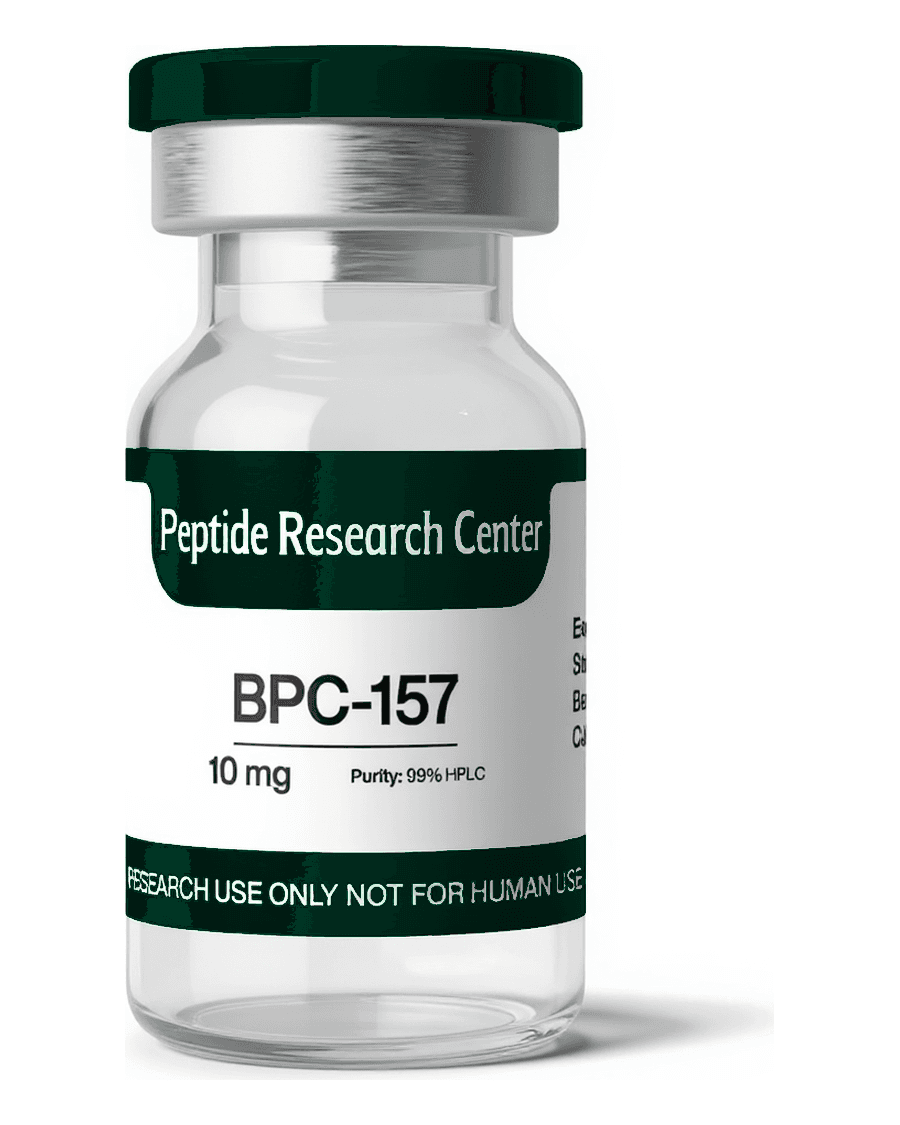
How to Reconstitute Research Peptides: A Step-by-Step Lab Guide
Reconstitution sounds technical, but it's really two things: a little arithmetic, and not wrecking the powder while you add water. Get those right and the rest takes about two minutes. Get them wrong and you've got an unknown concentration or a degraded peptide — neither of which makes for clean data.
This guide walks through the whole thing for a typical lyophilized research vial. We'll do the math first, because that's the part people skip and then regret.
What you'll need
- The lyophilized peptide vial (kept cold until now)
- Bacteriostatic water — or sterile water for shorter-term work
- A sterile syringe to move the water
- Alcohol swabs and a clean, draft-free surface
Do the concentration math first
Concentration is just mass divided by volume. The peptide mass is fixed — it's whatever's printed on the vial. The one thing you control is how much water you add. Add less water, get a stronger solution; add more, get a weaker one. That's the entire idea.
So decide your target concentration before you touch the syringe, then add the volume that gets you there. For a 10 mg vial, the options look like this:
| Water added | Concentration | Good when you want… |
|---|---|---|
| 1 mL | 10 mg/mL | A concentrated stock, small working volumes |
| 2 mL | 5 mg/mL | A balanced, easy-to-measure stock |
| 5 mL | 2 mg/mL | Finer measurement, larger volumes |
The steps
- 1Bring everything to room temperatureLet the cold vial sit out for a few minutes. Adding water to ice-cold glass invites condensation and slows dissolving.
- 2Swab both stoppersWipe the peptide vial stopper and the diluent stopper with alcohol. Let them dry.
- 3Draw your chosen volume of waterPull the exact diluent volume from your concentration math into the syringe.
- 4Inject slowly down the inside wallTilt the vial and let the water run down the glass — not straight onto the powder. A hard stream can shear and denature the peptide.
- 5Let it dissolve on its ownGive it a minute. Swirl gently if needed. Never shake — shaking foams and stresses the peptide. It should go fully clear.
- 6Label and refrigerateWrite the date and concentration on the vial and store it cold. Future-you will be grateful.
The mistakes that ruin a vial
- Shaking instead of swirling — foaming denatures peptide and you lose material at the meniscus.
- Spraying water directly onto the powder, which can shear sensitive sequences.
- Eyeballing the water volume, then having no idea what your concentration actually is.
- Skipping the label. A week later, a clear vial in the fridge tells you nothing.
Frequently Asked Questions
What water should I use to reconstitute a peptide?
Bacteriostatic water is the usual choice for research because the benzyl alcohol slows microbial growth, which suits a solution kept refrigerated over time. Sterile water is fine for shorter-term work.
How do I calculate the concentration?
Divide the peptide mass on the vial by the water volume you add. A 10 mg vial plus 2 mL of water gives 5 mg/mL. Choose the water volume that hits your target concentration.
Can I shake the vial to dissolve it faster?
No. Shaking foams the solution and can denature the peptide. Swirl gently and give it time; most peptides go into solution within a minute or two.