CJC-1295 Research: Long-Acting GHRH-Analog Signaling
CJC-1295 is a synthetic analog of growth-hormone-releasing hormone built around the GHRH(1-29) sequence with modifications intended to extend how long it persists. It's studied for the same upstream role as other GHRH compounds — prompting pituitary growth-hormone release — but with prolonged kinetics. Educational reference summary only; no human use is described.
Engineered for a longer half-life
The defining research feature of CJC-1295 is duration. A clinical-research report described prolonged stimulation of growth hormone and IGF-1 following administration, consistent with its extended-half-life design (Teichman et al., J Clin Endocrinol Metab, 2006). [1] That longer signaling window is the whole point of the modification.
Built on the GHRH(1-29) scaffold
CJC-1295 shares the GHRH(1-29) active core characterized in structure-activity research (Cervini et al., J Med Chem, 1998), [2] which is why it's studied alongside sermorelin and tesamorelin as part of the GHRH-analog family.
Analytical identification
Because of its research profile, CJC-1295 has also been characterized analytically — for example, methods to identify it in plasma — which is useful context for confirming material identity (Henninge et al., Drug Test Anal, 2010). [3]
Primary literature & related
- 1. Teichman et al. — prolonged GH/IGF-1 stimulation by CJC-1295 (JCEM, 2006)
- 2. Cervini et al. — hGHRH(1-29)NH2 structure-activity (J Med Chem, 1998)
- 3. Henninge et al. — identification of CJC-1295 in plasma (Drug Test Anal, 2010)
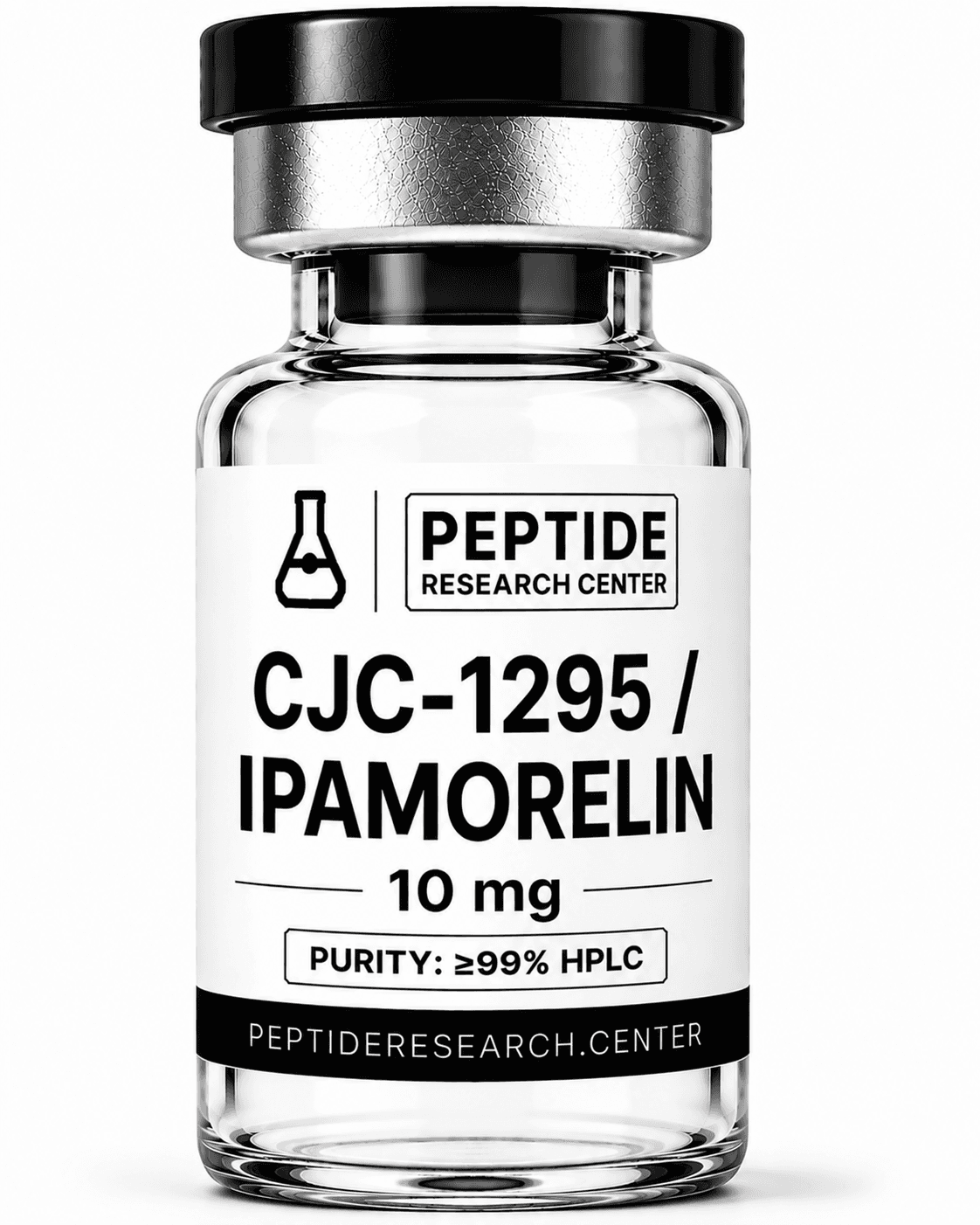
- CJC-1295 / Ipamorelin blend (available product)
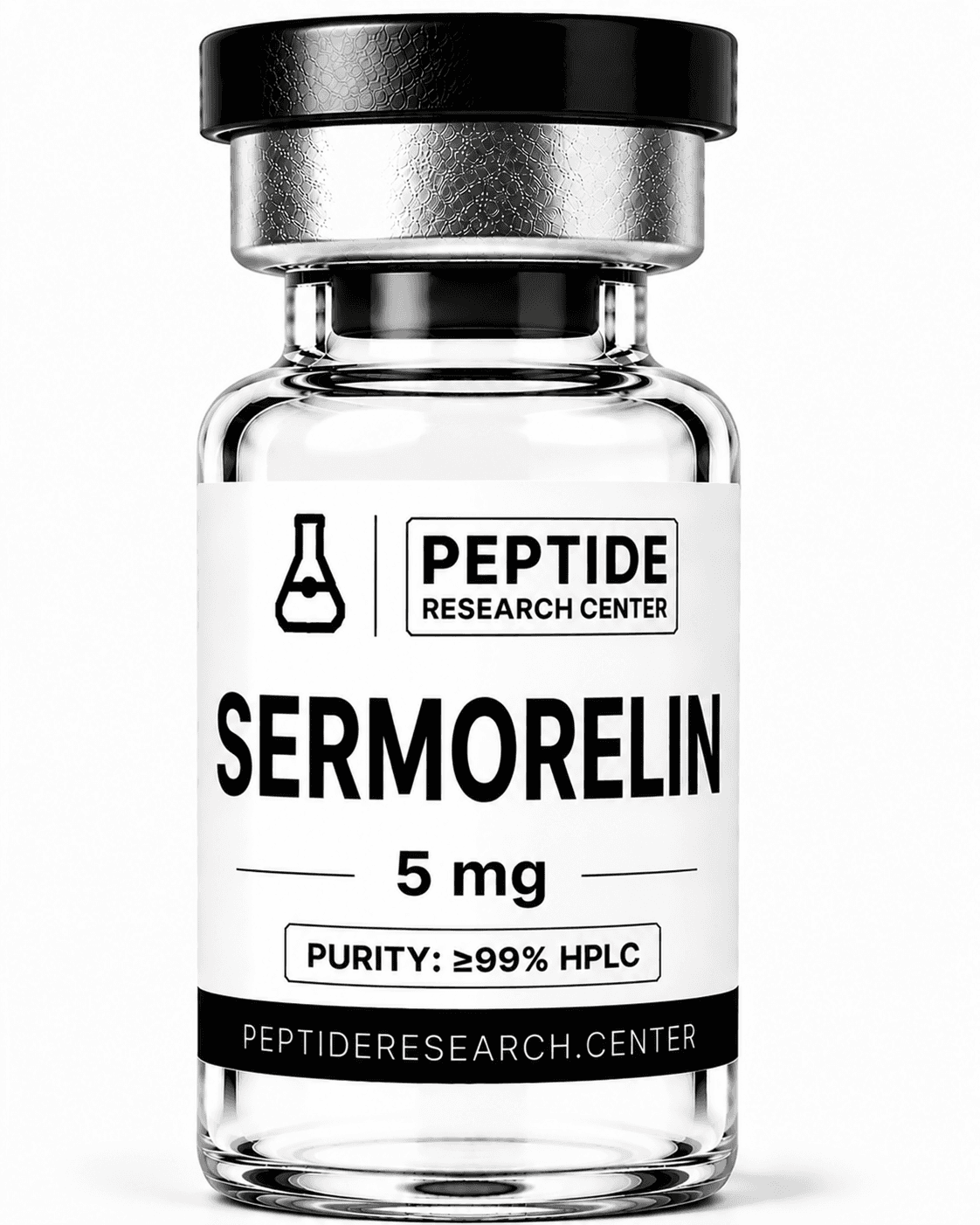
- Sermorelin profile (related GHRH compound)
Frequently Asked Questions
What makes CJC-1295 “long-acting”?
Sequence modifications to the GHRH scaffold are designed to slow its breakdown, extending the window over which it can stimulate growth-hormone release in research models.