What Are Research Peptides? A Plain-English Guide
Strip away the jargon and a peptide is a short chain of amino acids — the same building blocks that make up proteins, just fewer of them strung together. In research, synthetic peptides are used as reference compounds for studying biological signaling in controlled, in-vitro and animal models.
Peptide vs. protein — what's the difference?
Mostly size. There's no hard cutoff everyone agrees on, but the rough idea is simple:
| Peptide | Protein | |
|---|---|---|
| Length | ~2–50 amino acids | 50+ amino acids |
| Structure | Short chain | Folded, complex |
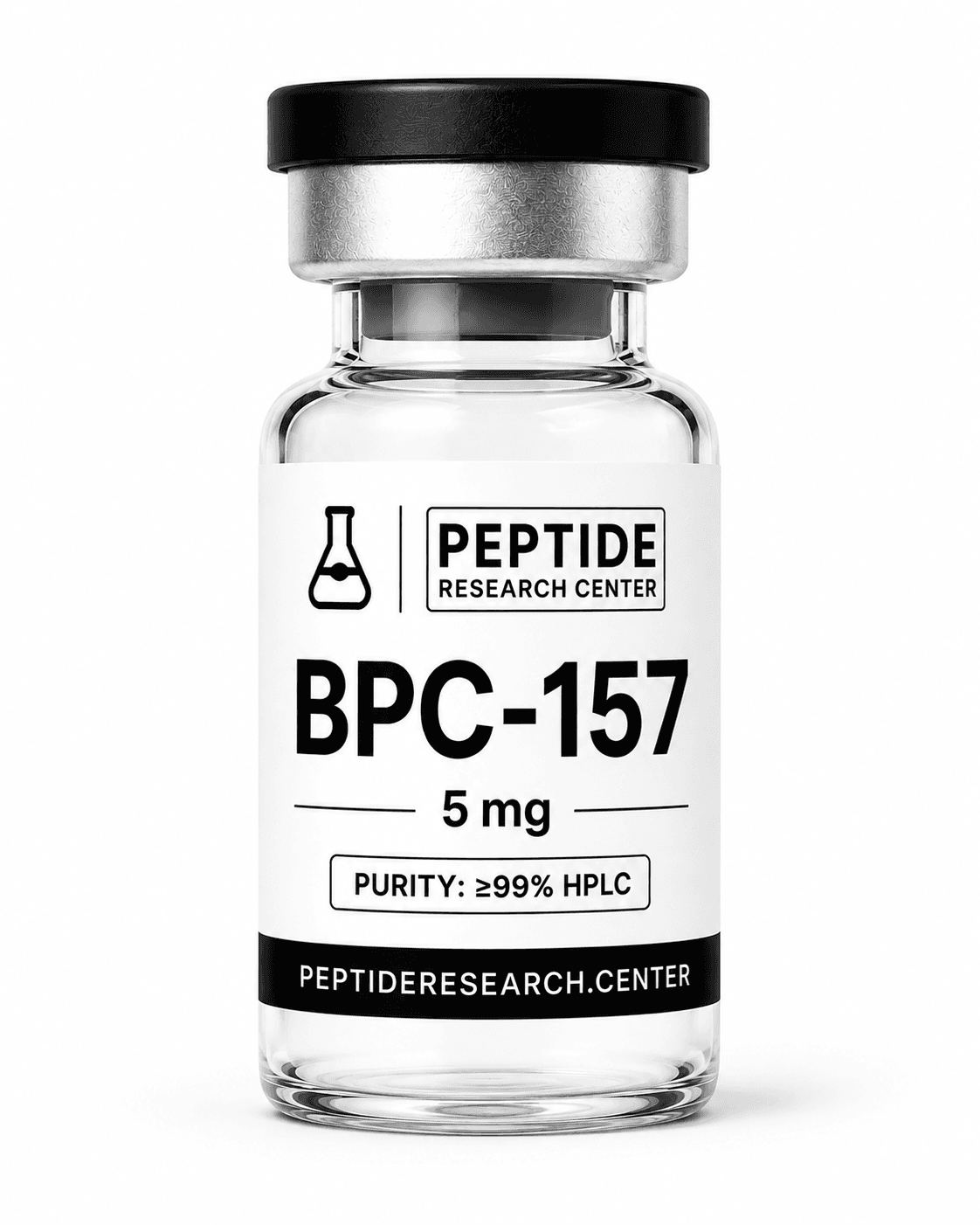
| Example | BPC-157 (15 aa) | Antibodies, enzymes |
How a peptide is identified
Every research peptide has a fingerprint that lets you confirm you're working with the intended compound. Three things do most of the work:
- CAS number — a unique registry ID for the chemical.
- Molecular formula — the exact atoms it's made of.
- Molecular weight — its mass, which mass spec can verify.
Why the documentation matters
Reproducible science depends on knowing exactly what's in the vial. Third-party purity testing, batch-level Certificates of Analysis, and clear handling guidance remove hidden variables — and hidden variables are what turn a clean experiment into a confusing one. This is the whole reason we lead with documentation instead of marketing.
Preguntas frecuentes
What is a research peptide?
A synthetic short chain of amino acids supplied for laboratory research use — as a reference compound for studying biological pathways in in-vitro and animal models, not for human use.
What's the difference between a peptide and a protein?
Size, mostly. Peptides are short chains (roughly 2–50 amino acids); proteins are larger, folded molecules of 50 or more.
How can I confirm a peptide's identity?
Check its CAS number, molecular formula, and molecular weight against the Certificate of Analysis, where mass spectrometry verifies the molecule is what the label claims.